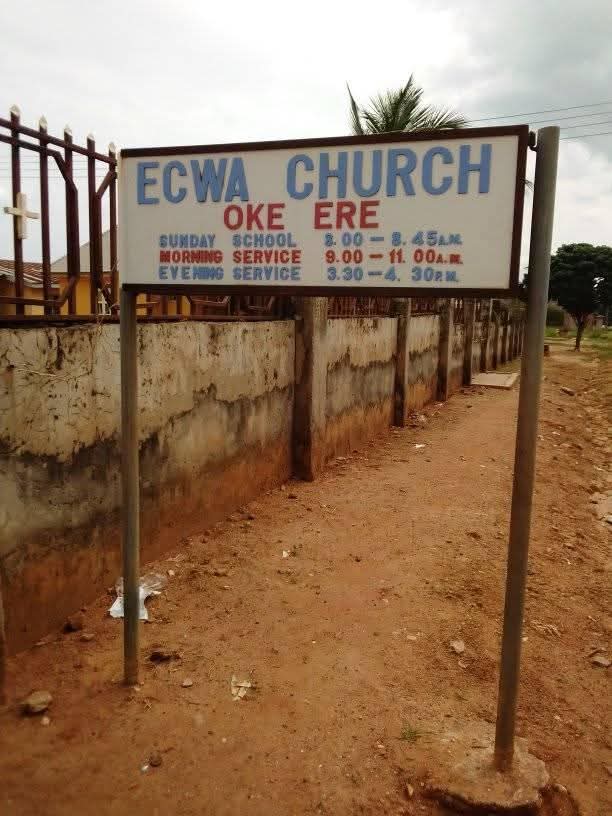
Oke Ere: A Kogi Village Balancing Heritage, Hardship, and Hope
Where the Land Meets History
Tucked into the rolling hills of Kogi West Senatorial District lies Oke Ere, a village in Yagba West LGA that borders Kwara State. Just 6 km east of the historic town of Egbe and near Odo Ere, the LGA headquarters, Oke Ere sits at roughly 8.20433°N, 5.56377°E. It is one of the “Akumejo” — the eight traditional communities that make up Yagba West: Ere, Egbe, Okeri, Ogga, Odo Eri, Ogbe, Ejiba,_ and Okoloke.
The entire Yagba West area covers 11,276 km² and had a projected population of 188,900 in 2016. Within this landscape, Oke Ere shares the region’s tropical savanna climate: heavy rains and thunderstorms from April to October, followed by a dry, dusty season from November to March.
Life and Livelihood
Like much of Yagba West, Oke Ere is agrarian. The soil is fertile, and food is rarely scarce for hardworking residents. Cassava, yam, maize, and vegetables dominate the farms that stretch behind mud and block houses. But for years, daily life carried one crushing burden: water.
The only natural source was a seasonal river 4 kilometers away. Government boreholes had long stopped working, forcing women and children to trek daily, risking hygiene and safety. That changed when God’s Divine Touch Ministry, a Christian organization, sank a new borehole — giving the community its “first drop of fresh water in decades”. For the family of Blessing Adesoro and others, cooking times became less of a worry.
Culture and Traditional Authority
Oke Ere falls under the Ere Kingdom. The Elere of Ere is the paramount ruler, with leadership disputes and succession rites handled by the traditional council. In December 2024, HRH Oba Richard Olusegun was installed as the new Elere of Ere Kingdom, reinforcing the community’s cultural identity.
Oral history recorded by historian Chief Bolaji Iyekolo notes that Odo Ere — Oke Ere’s neighbor and LGA seat — is recognized as the oldest settlement in West Yagba. British colonial records from 1930 also confirm Okutadudu in Odo Ere as the traditional meeting place for all West Yagba people. This shared heritage ties Oke Ere to a deep well of Yagba history.
The Cry for Peace
In 2024, Oke Ere made national news for a different reason. Elderly women, wrapped in traditional cloths, marched through the streets singing sorrowful songs. Their protest was against what they called an “endless reign of terror” — persistent kidnappings, killings, and attacks that had haunted the community for months.
The trigger was the confession of a self-proclaimed repentant kidnapper who claimed a native of the community was part of his syndicate. Frustrated by delays from the traditional council, the women pleaded for urgent government and security intervention. “They are calling for swift action to prevent further bloodshed and restore peace,” sources said. Farming and market activities had become too dangerous for many.
Looking Ahead
Despite its challenges, Oke Ere reflects the resilience of rural Kogi communities. A new borehole means children spend less time fetching water and more time in school. The women’s protest shows a community unwilling to be silent. And with traditional leadership reaffirmed, cultural continuity remains strong.
What Oke Ere needs now is sustained attention: functional infrastructure, security that lets farmers return to their land, and investment that matches the hard work of its people.
_For decades, Oke Ere walked 4 km for water. Today, it walks for peace — and for a future where its fertile land feeds not just families, but hope.
